Cuenca's hidden gems: the quiet side of the colonial city
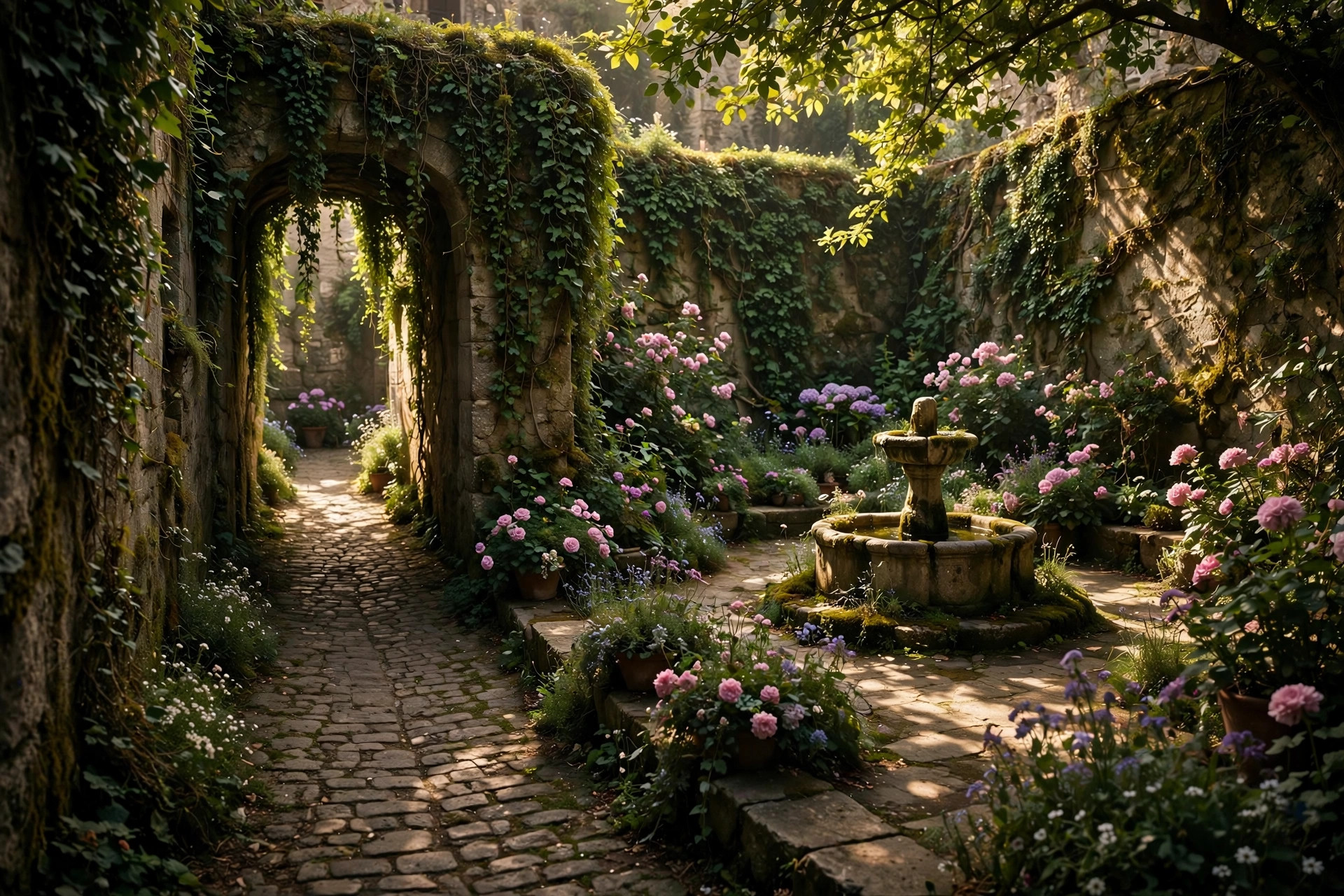

Beyond the cathedral square: a 1599 convent, Inca ruins inside a free museum, a broken bridge, a street-art barrio, and the market stall the guidebooks skip. Eight verified quiet corners (2026-10-01), including the free night view locals love best.
Churches and convents the tours skip
Cuenca's famous churches are famous for a reason - but these two reward the detour:
Iglesia de Todos Santos
Built 1924 on the site of Cuenca's first provisional chapel (1557). Twin towers at 37 m, tours $2 ($1.50 seniors), Tuesday to Saturday - plus a back garden with native plants and clay-oven bread.
Museo de las Conceptas
The building dates to 1599 - the oldest in Cuenca. Cloistered convent life, $3.50 adult / $1.50 child, Monday to Saturday 10:00-17:00.
Ruins, bridges, and the creative edge
Ruinas de Pumapungo
An Incan administrative, military and religious complex - second in importance after Cuzco within the empire - sitting inside the free museum park.
Puente Roto
The 1840s broken bridge: half of it lost in the 1950 Tomebamba flood. Free, and the riverside plazoleta around it has restaurants.
El Vado neighborhood
Murals and street art, artisan studios, the Prohibido Centro Cultural (Calle La Condamine 12-102) - the grittier creative side of Cuenca.
Santa Ana Hill
A charming church, rooftop cafes, and city views without the Turi crowds.
Markets and flowers
Plaza de las Flores
The flower market by the church - photogenic and easy to fold into a Calderon morning.
Mercado 12 de Abril hornado stalls
The Hornado Tradicional stall, Monday to Friday 8:00-16:00. The market lunch the guidebooks skip.
After dark
The locals' favorite free view costs nothing: the Paseo 3 de Noviembre bridges at night, lit over the Tomebamba. Walk it after dinner on Calle Larga - it is the quiet counterpoint to the mirador crowds. Facts verified 2026-10-01.
Common questions
What is the oldest building in Cuenca?
The Museo de las Conceptas (Hermano Miguel 6-33) - the building dates to 1599, the oldest in the city. Cloistered convent life inside; $3.50/$1.50, Mon-Sat 10-17.
What is the Puente Roto?
The 1840s 'broken bridge' over the Tomebamba - half of it was destroyed in the 1950 flood. Free to visit, with a riverside plazoleta and restaurants around it.
Where is the street art in Cuenca?
El Vado: murals and street art around the Cruz del Vado, artisan studios, and the Prohibido Centro Cultural (Calle La Condamine 12-102).
If you book through these links, Dayfari may earn a commission at no extra cost to you.